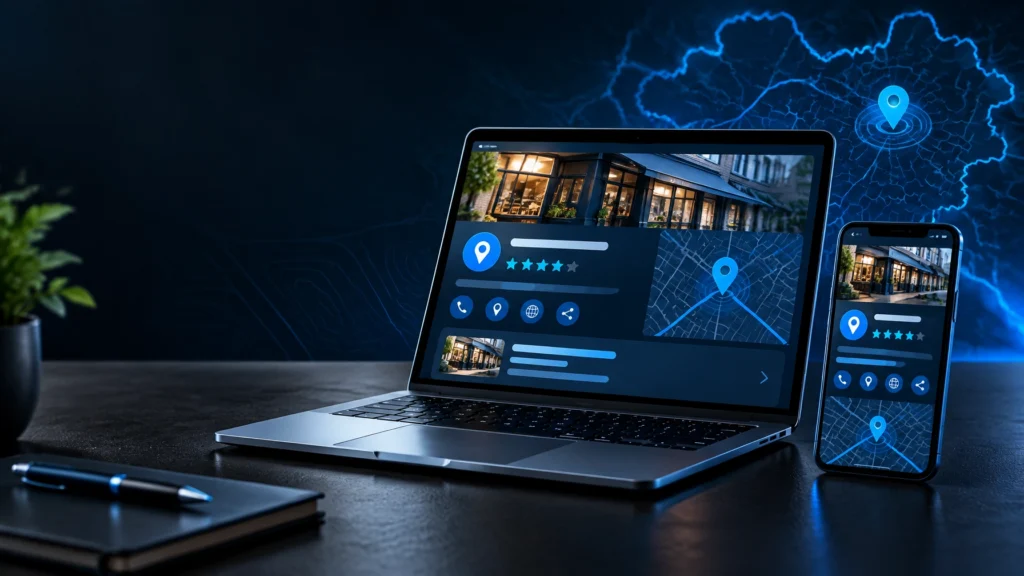

A website is often the first serious test of a business. Before a prospect calls, requests a quote or books a meeting, they assess the quality of what they see on screen. Effective web design Bolton businesses invest in is not about adding more visual effects. It is about making a strong commercial case quickly: this business is credible, clear and ready to help.
For growing companies, the gap between a website that looks acceptable and one that actively supports growth is substantial. A templated site can get a business online. A considered digital experience can sharpen positioning, reduce hesitation and turn more visits into meaningful enquiries.
What strong web design needs to achieve
A high-performing website has to serve several jobs at once. It must reflect the standard of the brand, make information easy to find, work properly across devices and guide visitors towards a sensible next step. Miss one of these, and the site may still look polished while underperforming where it counts.
The visual layer matters because people make fast judgements. Consistent typography, purposeful use of colour, strong imagery and considered spacing all signal professionalism. But design without structure is decoration. Visitors need to understand what you offer, who it is for and why they should choose you before their attention moves elsewhere.
That is why the best web projects begin before layouts are designed. They start with questions about the business: What is the core offer? Which services create the most value? What objections do prospects have? What should a visitor do after reading the page? The answers create a framework for the website, rather than forcing the business into a pre-built template.
Web Design Bolton: local insight, wider standards
Choosing a web design partner in Bolton can be valuable when local context genuinely informs the work. A business serving the North West may need to communicate trust, responsiveness and service-area coverage clearly, particularly where customers compare several providers before making contact.
Still, geography should not be the sole deciding factor. A strong agency should bring the same level of strategy, creative direction and technical care expected from any high-quality studio. The key question is not simply whether they are nearby. It is whether they understand the commercial pressure behind the project and can turn that into a website with clarity and character.
For example, a professional service business may need a calm, authority-led site that makes complex expertise easy to understand. A creative brand may need a more expressive digital presence without making navigation difficult. A growing trade business may need service pages designed around the questions customers actually search for. Each requires a different balance of content, interface design and conversion prompts.
Custom design gives your business room to stand apart
Templates have a place. They can be useful for a short campaign, an early-stage venture with limited requirements or a simple information site. Their trade-off is predictable: the structure, interactions and visual choices are built to work for everyone, which means they rarely express a distinct brand particularly well.
Custom web design creates more control. The page hierarchy can be shaped around priority services. The design system can align with the wider brand identity. Content blocks can be built to support genuine customer journeys rather than fitting copy into fixed modules.
This does not mean every page needs an elaborate animation or a completely unconventional layout. In fact, too much novelty can slow a site down and confuse visitors. The strongest custom sites know where familiar patterns are useful. Clear navigation, readable content, obvious calls to action and straightforward forms are not compromises. They are the foundations that allow the brand’s personality to work harder.
Design for the decision, not the applause
A beautiful homepage is not enough if a visitor cannot find pricing guidance, understand the service process or identify the right contact route. Every key page should anticipate the decision a potential customer is trying to make.
That might mean placing case studies near a high-value service, explaining what happens after an enquiry, showing relevant project outcomes or giving visitors a clear reason to act now. The right approach depends on the sales cycle. A low-commitment service may benefit from direct booking, while a more considered purchase may need evidence, reassurance and a softer enquiry route first.
Performance and usability are part of the brand
Slow loading, awkward mobile layouts and broken user journeys quietly damage confidence. They also create friction at the exact point where a prospect is deciding whether to continue. A website should feel considered on a phone just as much as it does on a large desktop screen.
Performance is not a technical afterthought. Large uncompressed images, excessive scripts and poorly managed plugins can all undermine the experience. A considered build makes choices about how content is delivered, how pages are structured and what functionality is genuinely necessary.
Accessibility belongs in the same conversation. Clear contrast, sensible heading structures, readable text sizes and keyboard-friendly interactions make a site easier to use for more people. They also tend to improve overall usability. When a website is easy to read and navigate, it feels more confident and less demanding.
Search visibility should be considered from the start
SEO is often treated as a task for after launch. That creates avoidable rework. Search performance begins with the way a website is planned: its page structure, service architecture, content priorities, internal logic and technical foundations.
A search-ready website does not rely on repeating phrases such as web design Bolton across every section. Search engines and people both respond better to useful, specific content. A service page should explain the service clearly. A location page should offer meaningful local relevance. A case study should demonstrate real capability rather than simply fill space.
The goal is to make each page purposeful. If a business offers several services, those services usually deserve focused pages rather than being compressed into one general overview. This gives visitors a clearer route through the site and gives search engines a better understanding of what the business does.
Content needs a job to do
Good website copy is concise, but it should not be thin. It needs to answer practical questions: what the service includes, who it helps, how the process works and what makes the business different. It should also sound like the business behind it.
Generic claims such as “quality service” and “competitive prices” rarely create a memorable impression. Specificity does. Explain the process. Show the standard of work. Clarify the result clients can expect. When the message is clear, design has something substantial to elevate.
A better process creates a better website
A professional web project should move through clear stages, with decisions made at the right time. Starting development before the strategy, structure and content direction are agreed often leads to delays and compromise later.
A focused process usually begins with discovery, where objectives, audiences, competitors and priority actions are defined. From there, the project moves into content planning and page structure, followed by creative direction and interface design. Development brings the approved design to life, while testing checks the site across devices, browsers and user journeys before launch.
This sequence is not bureaucracy. It protects the quality of the finished work. It prevents a site from becoming a collection of disconnected pages and gives each decision a clear purpose. It also makes collaboration easier, because clients can review the right things at the right stage instead of reacting to a finished build that has gone in the wrong direction.
The website should keep improving after launch
Launch is a milestone, not the end of the work. Once a site is live, real visitor behaviour can reveal where people hesitate, which pages attract attention and where opportunities are being missed. A business may find that a key service needs stronger proof, a form needs simplifying or a campaign needs a dedicated landing page.
Ongoing support matters because brands change. Services develop, new work is completed, search priorities shift and content can become outdated. A well-built site gives the business a stable platform for those changes rather than becoming another system that is difficult to manage.
For businesses ready to strengthen their digital presence, DBL Designs combines brand thinking, custom design and technical delivery in one focused process. The aim is not simply to produce a more attractive website. It is to build a clearer, more credible digital asset that earns attention and gives every visit a reason to continue.